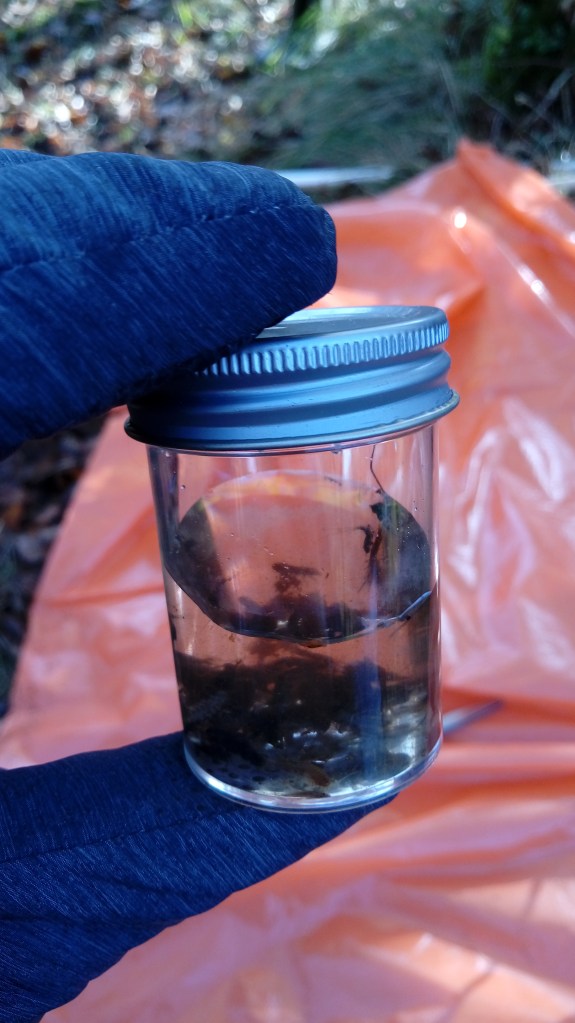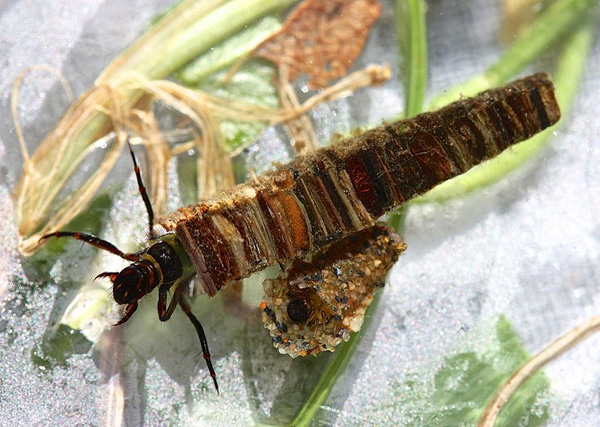
Source: cfb.unh.edu 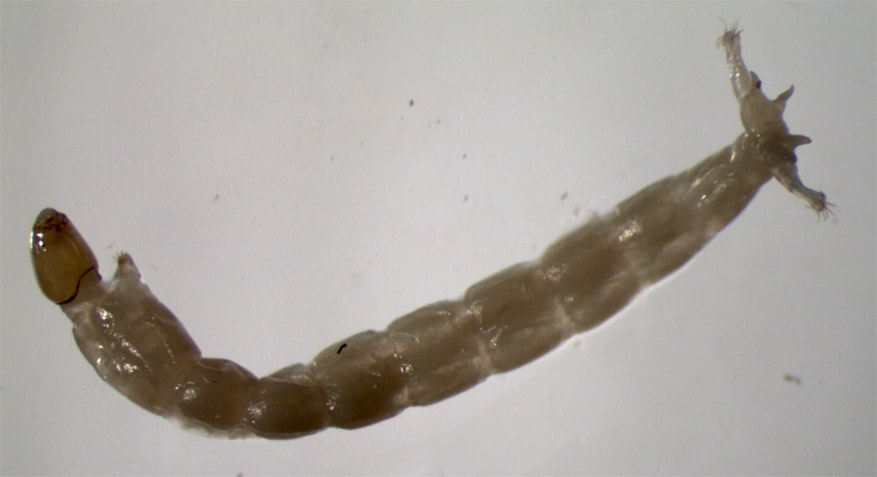
Source: diptera.info 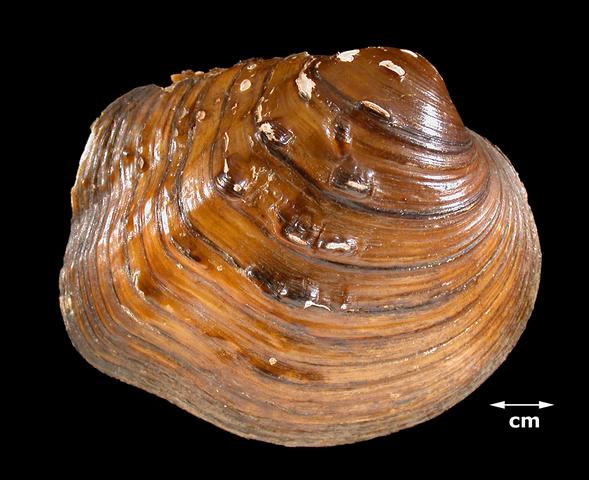
Source: museum.state.il.us 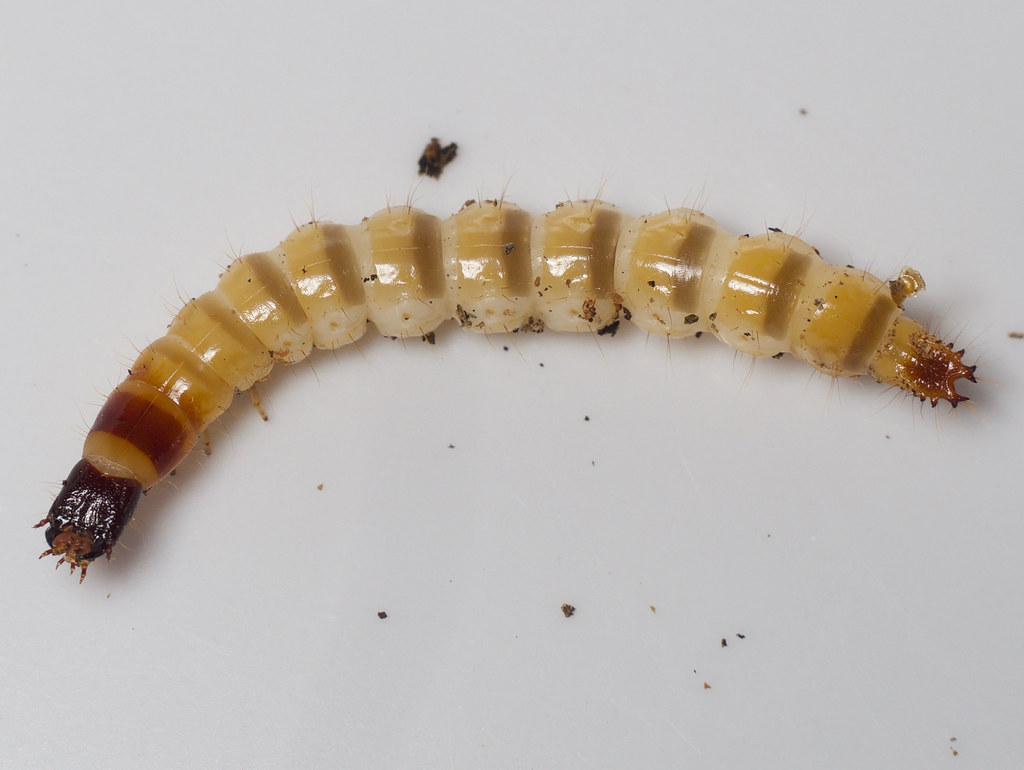
Source: hiveminer.com 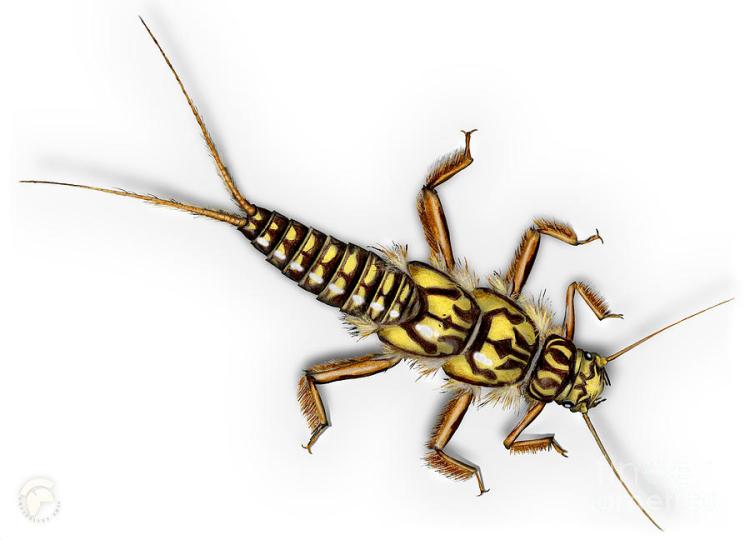
Source: fineartamerica.com 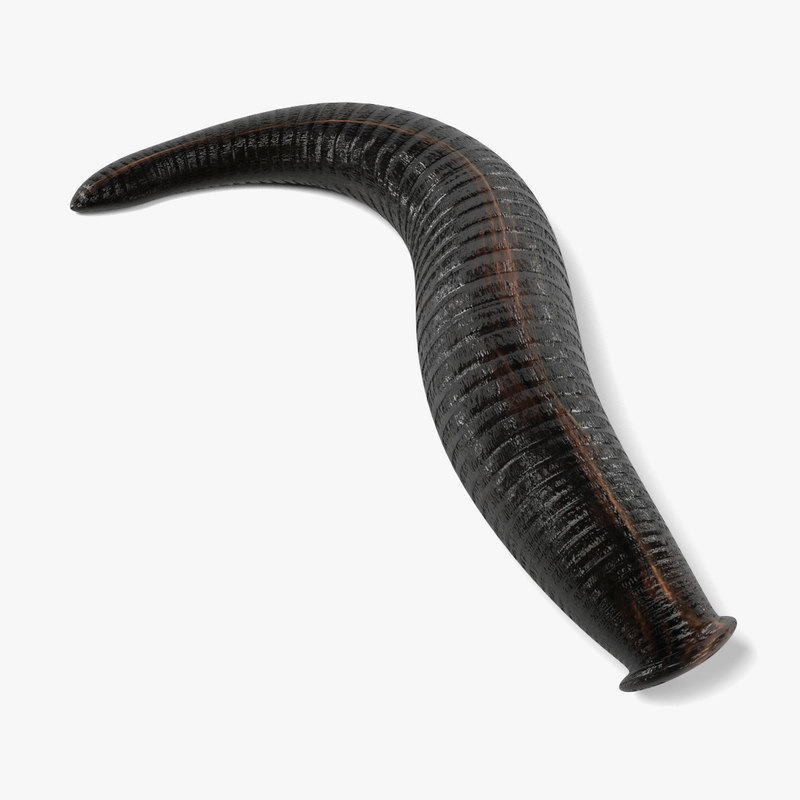
Source: turbosquid.com
You may have encountered some of them under stones when being curious on rivers or lakes, but did you already know that they can be used to determine the quality of the water you are looking at?
With the adoption of the EU Water Framework Directive in 2000, European countries were bound to assess the Ecological Status of their water bodies (e.g. rivers, lakes) through hydromorphological, physicochemical and biological quality elements (see the video below for further information). This is where these little animals come into action, as macroinvertebrates (animals lacking a backbone that are easily seen without the use of a microscope) are one of the elements that can be evaluated to know the biological status of a given water body.
There are various reasons why the use of macroinvertebrates can sometimes be better than traditional water analysis:
- they provide a time-integrated measure, because as living organisms they are sensitive to any past or present chemical, physical, hydrological and biological conditions of their ecosystem
- they are easy to collect, transport and less prone to be contaminated
- their analysis is relatively cheap and doesn’t require special equipment
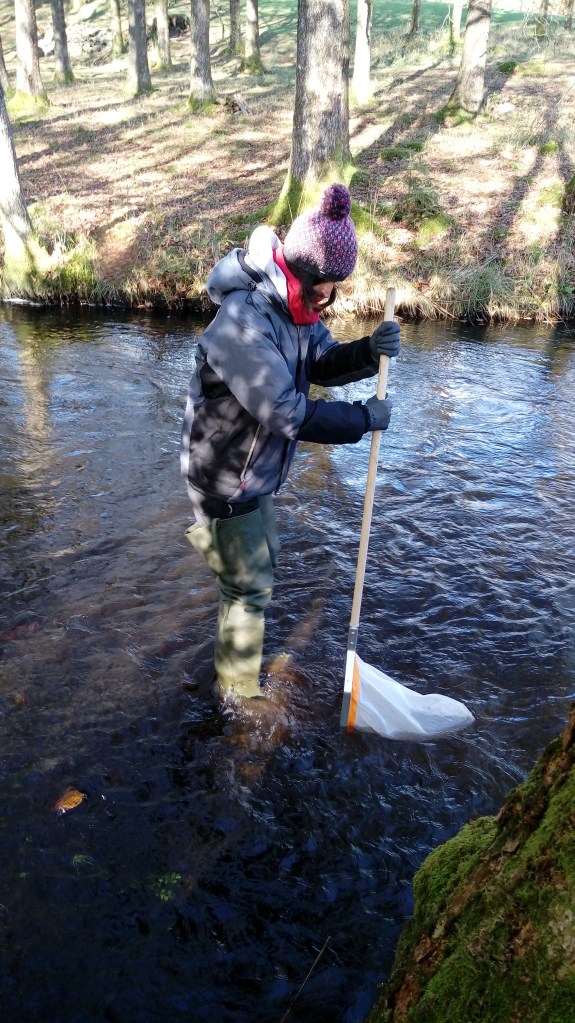
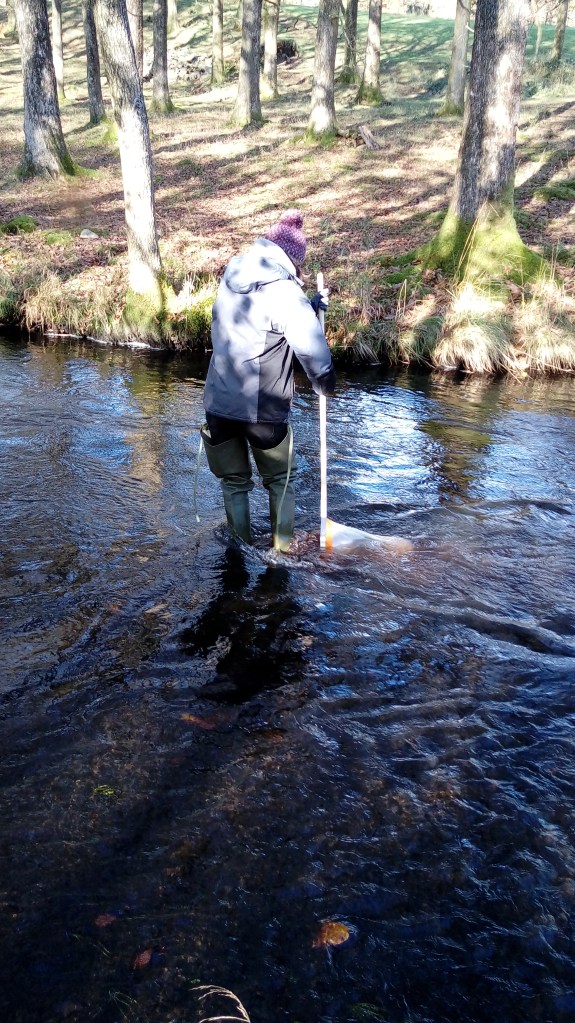
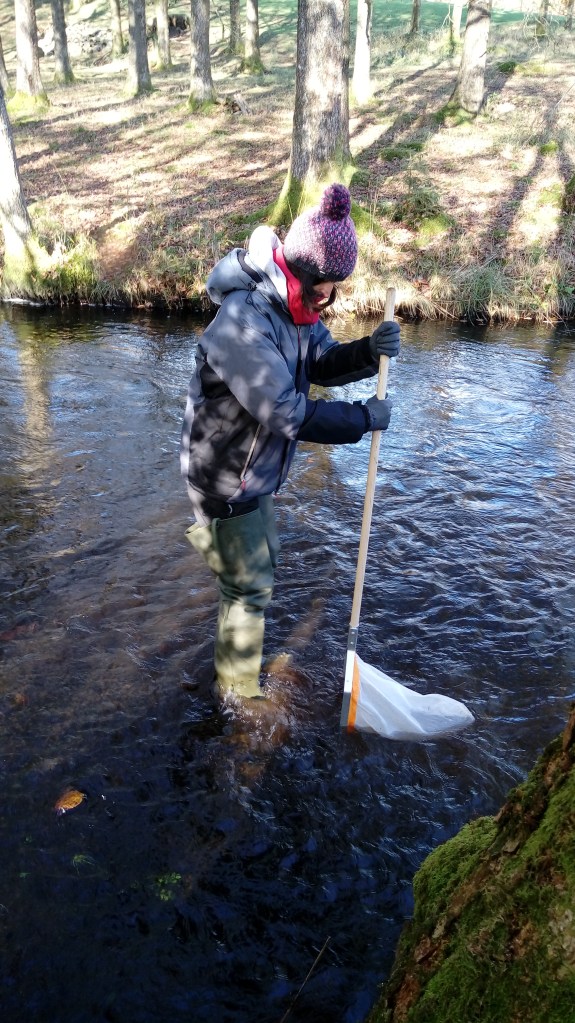
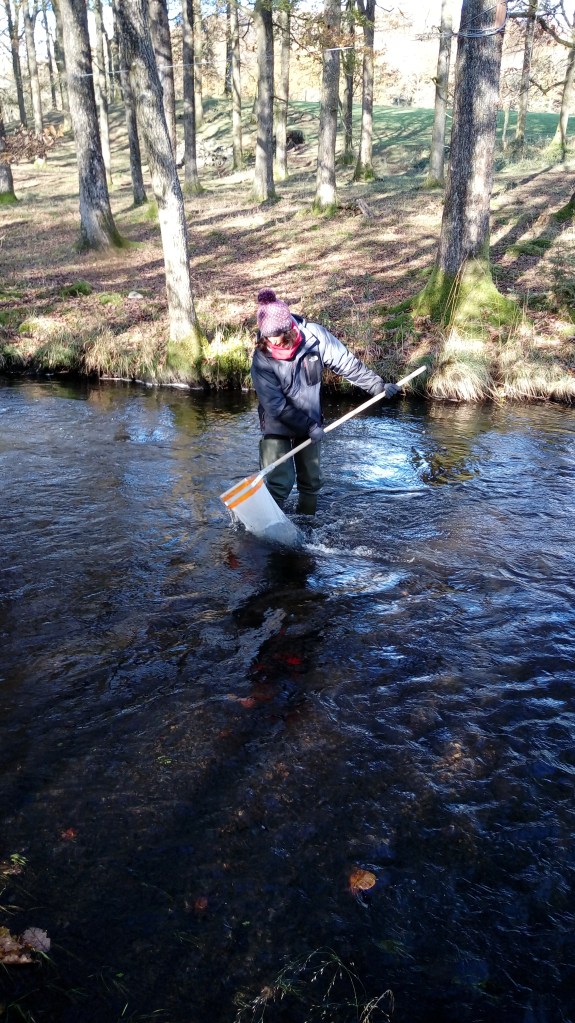
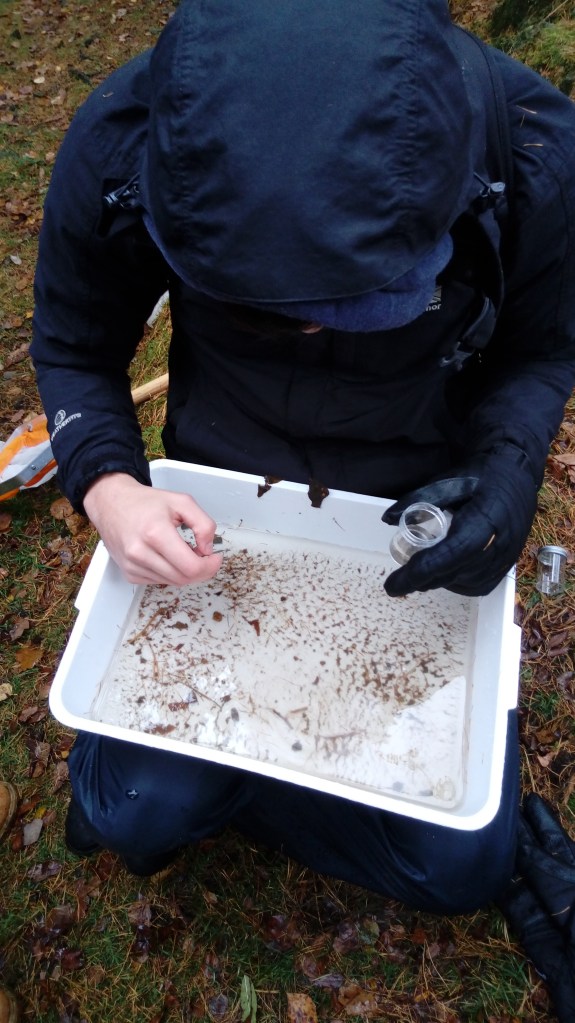
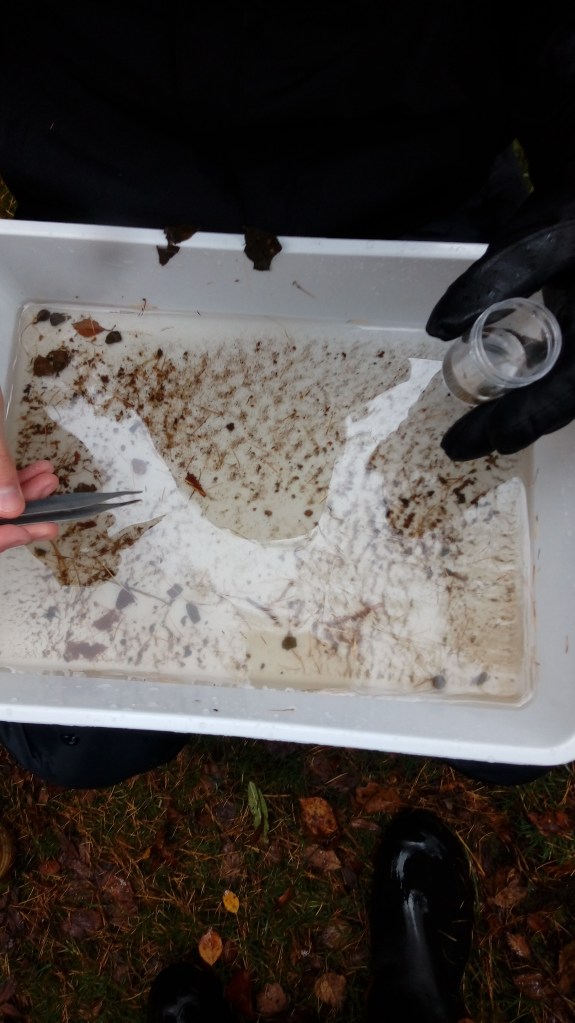
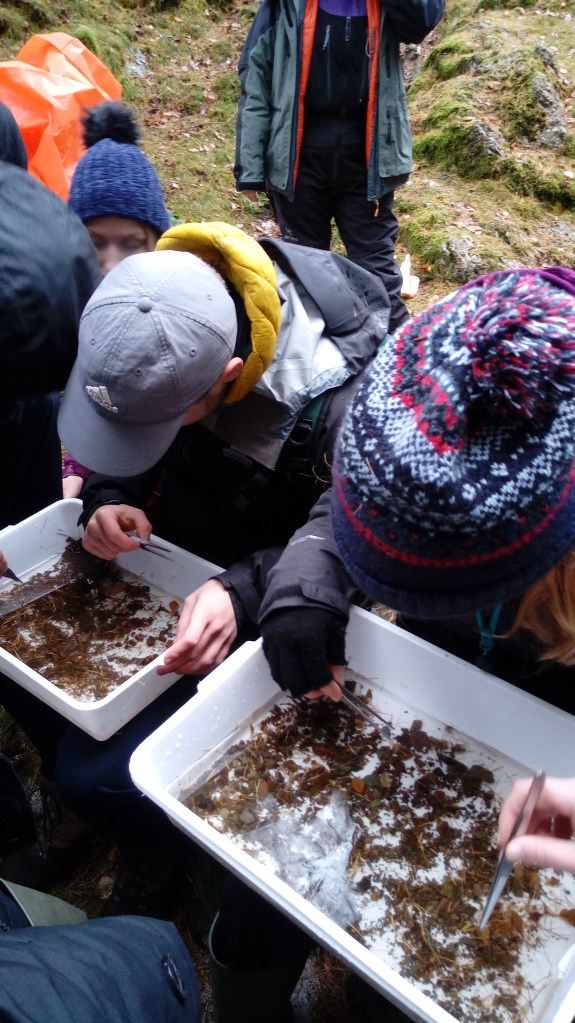
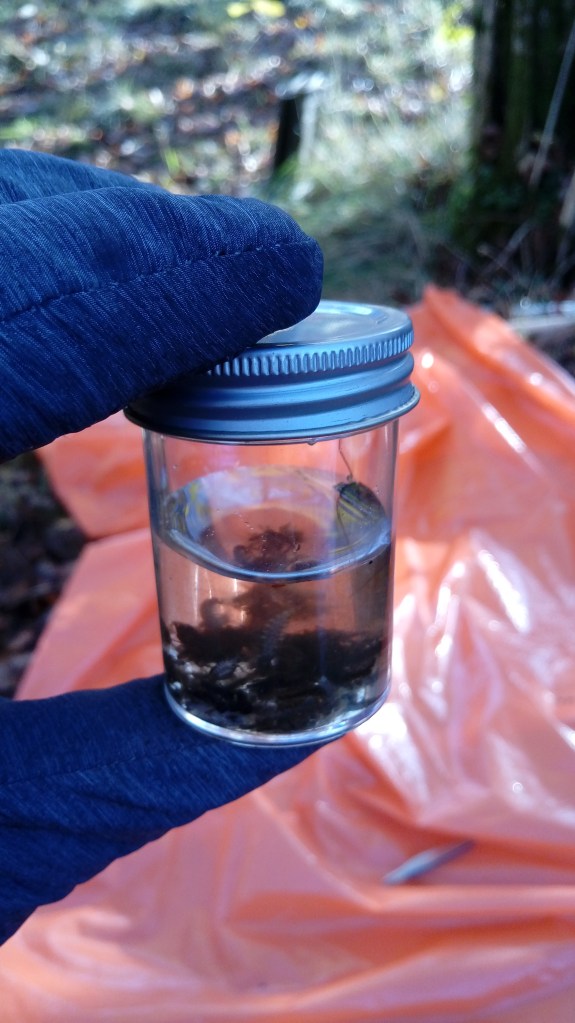
Having said this, the next step for using these animals for water quality assessment purposes is to know how to collect and analyse them. This week I’m heading north for a field trip to Lake District and hopefully I’ll be back with some insights!
References:
- Coelho JP, Lillebø AI, Pacheco M, Pereira ME, Pardal, MA, Duarte AC (2010) Biota analysis as a source of information on the state of aquatic environments. In: Namieśnik J and Szefer P (Eds) Analytical measurements in aquatic environments. Analytical Chemistry Series. CRC Press, Boca Raton. pp 103-120.
- European Commission (2000) Water Framework Directive, Directive 2000/60/EC of 22 December 2000, establishing a framework for community action in the field of water policy. Official Journal of the European Communities L 327 , 22/12/2000 P. 0001 – 0073
- Friedrich G, Chapman D, Beim A (1996) The use of biological material. In: Chapman D (Ed) Water quality assessments: a guide to use of biota, sediments and water in environmental monitoring. Second edition. UNESCO/WHO/UNEP. CRC Press.